How Missing Teeth Affect Your Orthodontic Treatment
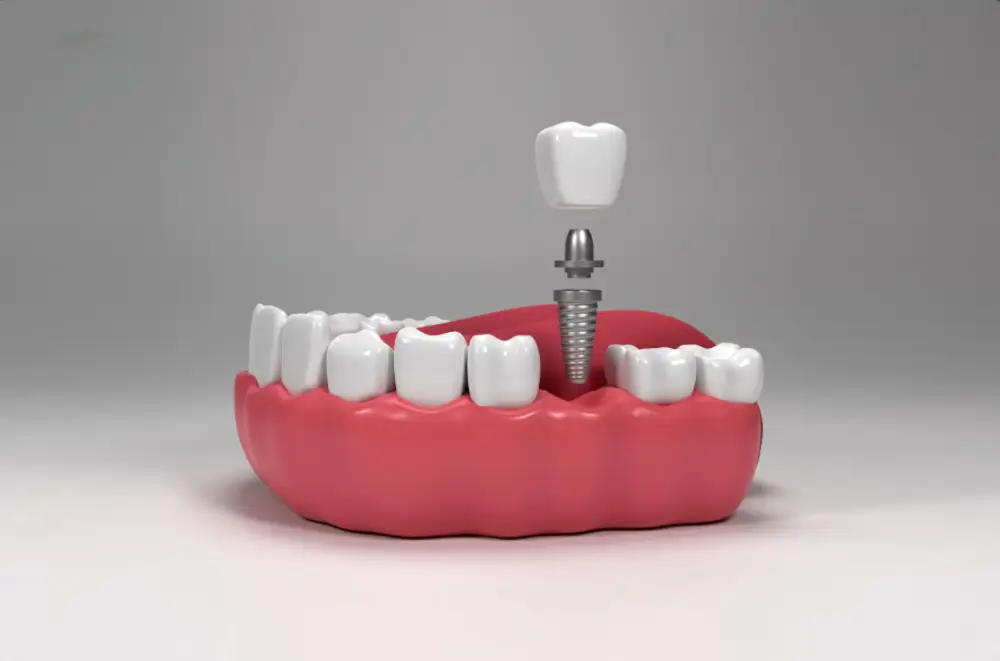
When a tooth is lost, the surrounding teeth do not stay put. They gradually drift into the open space over months and years. This shifting changes how your upper and lower teeth fit together, which can lead to bite problems including overbite, underbite and crossbite. Opposing teeth can also over-erupt into the gap, and uneven chewing forces may cause excessive wear on certain teeth.
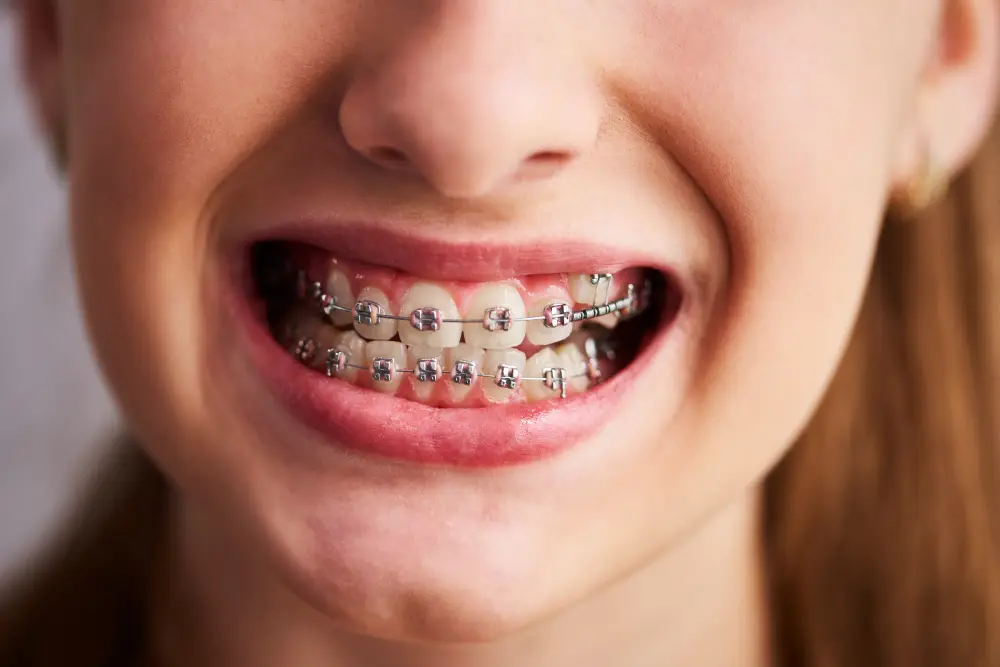
This is where orthodontic treatment becomes especially valuable. Braces give your orthodontist precise control over how every tooth moves - which means they can stop unwanted drifting, realign teeth that have already shifted, and create ideal conditions for whatever tooth replacement is planned next.
Clinical note: According to the American Association of Orthodontists (AAO), orthodontic treatment can be successfully completed at any age when teeth and supporting structures are healthy - including in patients with missing teeth.