
How Long Does a Root Canal Take?

A root canal typically takes 30 to 90 minutes per appointment, depending on the tooth's location, the number of root canals, and the severity of the infection. Some treatments can be completed in one visit, while more complex cases may require two or more appointments. If you need a dental crown afterward, plan for an additional visit to restore and protect the tooth.

At Pristine Dental & Orthodontics, understanding what to expect can help you feel more comfortable and prepared for root canal treatment.

How Long Does a Root Canal Take?

How Long Does a Root Canal Take for Different Teeth?

The time needed for root canal therapy varies because different teeth have different numbers of canals and root structures.

Tooth Type Estimated Treatment Time
Front Teeth (Incisors and Canines) 30–60 minutes
Premolars 45–60 minutes
Molars 60–90 minutes or longer

These are general estimates, not fixed appointment times. Molars often take longer because they have multiple canals and more intricate root anatomy.

What Happens During a Root Canal Procedure?

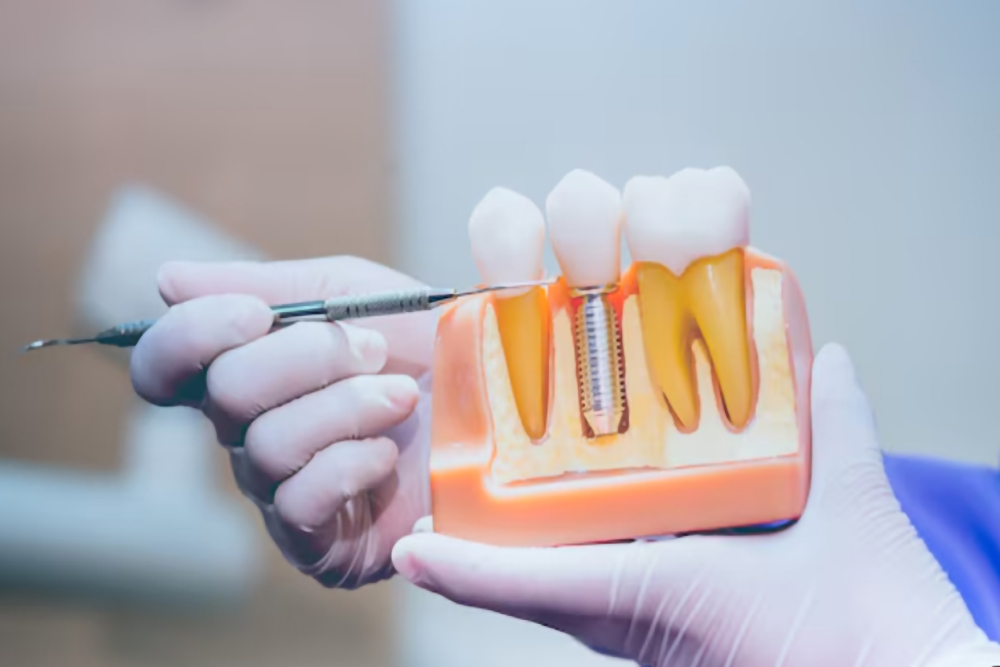
A root canal procedure removes infected or inflamed pulp from inside the tooth, cleans the canal system, and seals it to help preserve the natural tooth.

A typical appointment includes:

  1. Examination and X-rays (5–15 minutes): The dentist evaluates the tooth and uses dental imaging to assess its roots and surrounding structures.
  2. Local Anesthesia and Isolation (10–15 minutes): The tooth is numbed, and a rubber dam may be placed to keep the treatment area clean and dry.
  3. Cleaning and Shaping (20–40 minutes): The dentist removes the damaged pulp, cleans the canals with specialized instruments and antimicrobial solutions, and prepares them for filling.
  4. Filling and Sealing (10–20 minutes): The canals are filled with a biocompatible material called gutta-percha, and the tooth is sealed with a temporary or permanent restoration.

These stages are approximate and may overlap. The total time depends on the complexity of the case.

What Can Make a Root Canal Take Longer?

Several factors can affect procedure duration. A severe infection or dental abscess may require additional cleaning, medication, or multiple visits. Curved or calcified canals can make treatment more challenging, while retreatment may take longer because the dentist must address problems from a previous procedure.

Patient anxiety can also affect appointment time. Discuss your concerns with your dentist before treatment so appropriate comfort or sedation options can be considered.

How Long Does It Take to Heal After a Root Canal?

Most patients experience mild soreness or tenderness for a few days after treatment. Some sensitivity may last longer, depending on the condition of the tooth before the procedure.

Follow your dentist's aftercare instructions, avoid chewing hard foods on the treated tooth until it is properly restored, and use over-the-counter pain relievers only as directed and when medically appropriate. Contact your dentist if pain worsens, swelling develops, or symptoms do not improve as expected.

Root canal treatment has a high success rate, and the treated tooth can often last for many years with proper care. A dental crown is frequently recommended for premolars and molars to protect them from fracture. Schedule the permanent restoration as advised by your dentist.

Frequently Asked Questions

Yes. Many root canals can be completed in one appointment. Severe infections, complex canal anatomy, or retreatment may require additional visits.
Local anesthesia helps prevent pain during treatment. You may experience mild soreness or tenderness afterward, which generally improves over several days.
Usually. Molars often have three or more canals, whereas front teeth typically have fewer. This makes molar treatment more complex.
Most patients can return to normal activities the same day. You may prefer to rest if you experience discomfort or receive sedation.
Usually, yes, if you receive only local anesthesia. If sedation is used, arrange transportation according to your dentist's instructions.
It depends on the tooth and the complexity of either procedure. Root canal treatment may take longer in the chair, but it preserves your natural tooth when successful.
Follow your dentist's recommendation for timing. A permanent crown may be scheduled within the following few weeks, depending on your treatment plan and the tooth's condition.
Root canal treatment has a success rate exceeding 90% in many reported clinical contexts. Outcomes depend on the tooth's condition, treatment quality, and appropriate restoration and follow-up care.

Schedule Your Root Canal Consultation

If you have persistent tooth pain, sensitivity, or swelling, an examination can help determine whether root canal treatment is necessary. Contact Pristine Dental and Orthodontics to discuss your symptoms, treatment options, and expected appointment time.

Recents Blogs

Root Canal
October 18, 2026

Is a Root Canal Really Painful? What to Expect, Recovery, and How It Saves Your Natural Smile

If you’ve been experiencing a sharp ache while biting down or persistent sensitivity when drinking...

Know More
Dental implant model used to explain signs of a dental implant infection
October 10, 2026

Signs of a Dental Implant Infection: Symptoms, Causes, and Treatment

Dental implant infection can cause red, swollen, or bleeding gums, persistent discomfort, pus around the...

Know More
How Long Does Dental Bonding Last
September 25, 2026

How Long Does Dental Bonding Last?

If you are considering dental bonding to repair a chipped tooth, close a small gap,...

Know More
Can You Get Braces With Missing Teeth
September 15, 2026

Can You Get Braces With Missing Teeth?

Quick Answer Yes - you can get braces with missing teeth. In many cases it...

Know More