Is a Root Canal Really Painful? What to Expect, Recovery, and How It Saves Your Natural Smile

If you’ve been experiencing a sharp ache while biting down or persistent sensitivity when drinking hot or cold beverages, you might be dreading what comes next. For decades, the phrase "root canal" has carried an unfair reputation.

The reality? Modern Root Canal Treatment doesn’t cause pain-it relieves it.

At Pristine Dental and Orthodontics, our primary goal is to relieve your discomfort, protect your natural teeth, and keep your smile healthy and functional for a lifetime. Here is everything you need to know about root canal therapy, what to expect during the procedure, and how to recover quickly.

Is a Root Canal Really Painful? What to Expect, Recovery, and How It Saves Your Natural Smile

What Is Root Canal Treatment?

A root canal treatment (also known as endodontic therapy) is a safe dental procedure designed to save a severely decayed, infected, or damaged tooth.

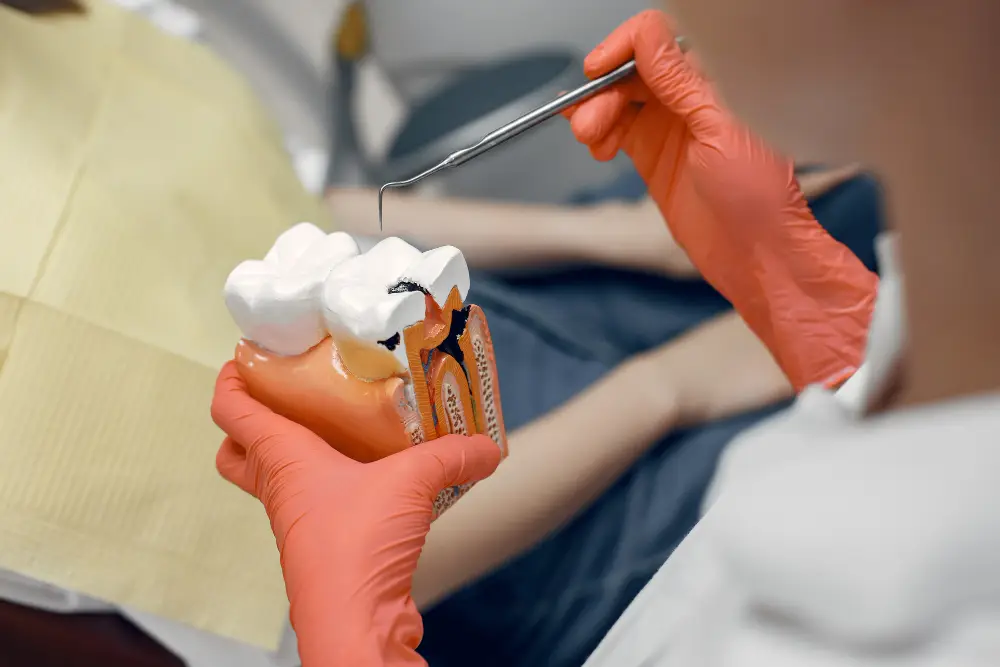
Inside each of your teeth, beneath the hard enamel and dentin layer, is a soft area known as the pulp. The pulp contains nerves, blood vessels, and connective tissue. When bacteria enter this inner area through deep cavities, cracks, or trauma, it causes inflammation and severe pain.

During a root canal, our dental team removes the infected pulp, carefully cleans and disinfects the interior of the tooth, and seals it to prevent future infections.

[ Healthy Tooth Structure ]


[ Untreated Infection ]

  • Bacteria in pulp
  • Abscess / Bone loss
  • Eventual tooth extraction

[ Root Canal Therapy ]

  • Removes bacteria & pulp
  • Cleans & shapes canals
  • Seals & restores with crown
  • Preserves natural tooth

5 Warning Signs You Might Need a Root Canal

Not all toothaches mean you need a root canal, but you should schedule an appointment at Pristine Dental & Orthodontics right away if you notice any of these symptoms:

  • Persistent Tooth Pain: Pain that doesn't go away, especially severe discomfort when chewing or putting pressure on the tooth.
  • Extreme Temperature Sensitivity: Lingering pain or sensitivity to hot or cold foods and liquids, even after the source is removed.
  • Swollen or Tender Gums: Swelling, redness, or a small bump (resembling a pimple) on the gums near the painful tooth.
  • Tooth Discoloration: A tooth that begins turning a darker gray or brown color due to internal nerve damage
  • Cracked or Chipped Tooth: A physical crack that exposes the inner nerve layers to oral bacteria

What Happens During a Root Canal? (Step-by-Step)

Understanding the step-by-step process helps remove the mystery and fear surrounding the treatment:

Step Action What You Feel
1. Diagnosis & Numbing Digital X-rays help locate the infection. Local anesthesia is applied to numb the treatment area. The area becomes numb. You should not feel sharp pain during the procedure, although pressure may be noticeable.
2. Cleaning the Canals A small opening is made in the tooth to remove infected or damaged pulp tissue from the root canals. You may feel pressure or vibration, but effective anesthesia should minimize pain.
3. Shaping & Sealing The canals are cleaned, disinfected, shaped, and filled with a biocompatible material called gutta-percha. You may notice pressure or vibration, but the procedure is generally comfortable with adequate anesthesia.
4. Final Restoration A permanent filling or, when needed, a custom dental crown is placed to protect and restore the tooth. The restored tooth regains its function and appearance. Some tenderness may occur for a few days after treatment.

Root Canal vs. Tooth Extraction: Why Saving Your Natural Tooth Matters

Many patients ask if it’s easier or cheaper to simply pull (extract) a hurting tooth. While extraction might seem like a quick fix, saving your natural tooth is almost always the better choice.

  • Prevents Teeth Shifting: Replacing a natural tooth may require an implant or bridge. Leaving a gap can cause surrounding teeth to shift out of alignment.
  • Preserves Chewing Efficiency: Natural teeth help maintain effective chewing function and comfort.
  • Cost-Effective Long Term: A root canal and crown restoration may cost less than extracting a tooth and replacing it with a dental implant.

Root Canal Aftercare and Recovery Tips

Recovery from a modern root canal procedure is surprisingly smooth, with most patients returning to normal activities within 24–48 hours. Follow these simple tips to ensure quick healing:

  • Manage Initial Soreness: Over-the-counter pain relievers, such as ibuprofen or acetaminophen, may help manage mild tenderness. Follow the label instructions or your dentist's advice.
  • Avoid Chewing Hard Foods: Avoid biting down on hard foods with the treated tooth until your permanent crown or filling is in place.
  • Maintain Good Hygiene: Brush and floss normally around the treated tooth to keep the area clean and healthy.

Schedule Your Consultation at Pristine Dental & Orthodontics

Don't live with persistent tooth pain. Delaying root canal therapy can allow infections to spread, potentially leading to tooth loss.

At Pristine Dental & Orthodontics, our team uses advanced technologies to make root canal treatments fast, gentle, and stress-free.

Locations: Arnold, MO | St. Ann, MO | Florissant, MO

Website: pdgcare.com

Contact Us: Call our friendly office today to book an evaluation and protect your natural smile!

Recents Blogs

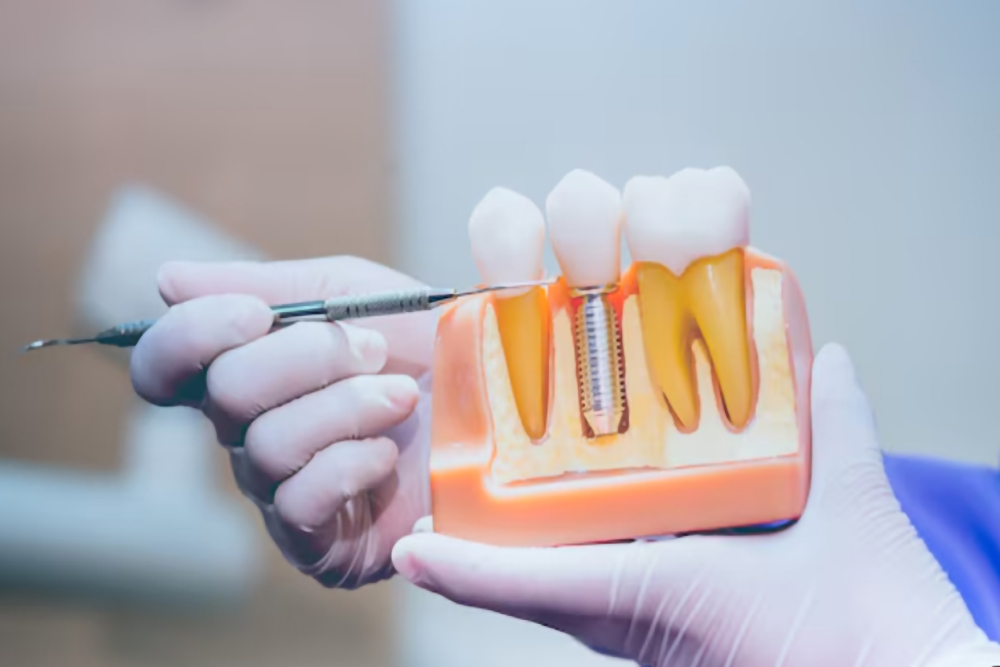
Dental implant model used to explain signs of a dental implant infection
October 10, 2026

Signs of a Dental Implant Infection: Symptoms, Causes, and Treatment

Dental implant infection can cause red, swollen, or bleeding gums, persistent discomfort, pus around the...

Know More
How Long Does a Root Canal Take
October 03, 2026

How Long Does a Root Canal Take?

A root canal typically takes 30 to 90 minutes per appointment, depending on the tooth's...

Know More
How Long Does Dental Bonding Last
September 25, 2026

How Long Does Dental Bonding Last?

If you are considering dental bonding to repair a chipped tooth, close a small gap,...

Know More
Can You Get Braces With Missing Teeth
September 15, 2026

Can You Get Braces With Missing Teeth?

Quick Answer Yes - you can get braces with missing teeth. In many cases it...

Know More