Teeth Whitening Aftercare Tips: How to Keep Your Smile Bright

A brighter smile can make you feel more confident, but what happens after your treatment matters just as much as the treatment itself. Many patients wonder whether they can drink coffee, what foods they should avoid, or why their teeth suddenly feel sensitive.

Following the right teeth whitening aftercare tips can help you stay comfortable and protect your results. At Pristine Dental and Orthodontics, we want patients to understand what to expect after cosmetic treatment so they can care for their smiles with confidence.

Teeth Whitening Aftercare Tips: How to Keep Your Smile Bright

Quick Answer: What Should You Do After Teeth Whitening?

After teeth whitening, avoid dark-colored and acidic foods and drinks for about 48 hours. Drink plenty of water, maintain good brushing and flossing habits, and use sensitivity toothpaste if recommended. Avoid tobacco and follow your dentist's individual aftercare instructions.

What Happens After a Whitening Procedure?

A professional whitening procedure uses bleaching agents, commonly hydrogen peroxide or carbamide peroxide, to break down molecules responsible for tooth discoloration.

For a short time afterward, some people may notice:

  • Mild sensitivity to hot or cold foods and drinks
  • Temporary gum irritation
  • Increased sensitivity to sweet or acidic foods
  • A noticeable difference in shade between natural teeth and existing restorations

These effects are generally temporary. However, everyone's response to bleaching is different, so your dentist may adjust the treatment according to your sensitivity and oral health.

7 Important Aftercare Tips

1. Choose Light-Colored Foods for the First 48 Hours

Dark foods and drinks contain pigments that can contribute to staining. Coffee, black tea, red wine, cola, berries, tomato sauces, and soy sauce are common examples.

After your teeth whitening treatment, consider lighter options such as:

  • Chicken or fish
  • Rice
  • Pasta
  • Cauliflower
  • Bananas
  • Yogurt
  • Oatmeal

You don't need to follow a restrictive diet permanently. The goal is simply to be more careful immediately after treatment.

2. Limit Acidic Foods and Drinks

Citrus fruits, vinegar-based foods, soft drinks, and other acidic products may make recently treated teeth feel more sensitive.

If you consume something acidic, drinking water afterward can help rinse your mouth. If sensitivity is noticeable, temporarily choosing less acidic foods may make you more comfortable.

3. Know How to Manage Sensitivity

Sensitivity is one of the most common concerns following professional teeth whitening.

A toothpaste formulated for sensitive teeth may help reduce discomfort. You can also temporarily avoid very hot, cold, sweet, or acidic foods and drinks.

Do not assume severe or persistent pain is normal. If discomfort becomes intense or does not improve, contact your dental professional.

4. Keep Brushing and Flossing

Whitening does not replace everyday oral hygiene.

Continue brushing twice a day and cleaning between your teeth daily. If your teeth are sensitive, use a soft-bristled toothbrush and gentle pressure.

Keeping plaque under control is important for maintaining a healthy mouth and helping your smile stay brighter.

5. Avoid Tobacco

Smoking and tobacco products are major contributors to tooth discoloration. Continuing these habits after cosmetic treatment can work against the results you're trying to maintain.

Reducing or avoiding tobacco can therefore benefit both the appearance of your smile and your overall oral health.

6. Drink Plenty of Water

Water is one of the easiest ways to support your smile after treatment. It helps rinse away food particles and staining substances while keeping your mouth hydrated.

If you drink coffee or tea, having water afterward can reduce the amount of time staining substances remain in contact with your teeth.

7. Don't Overdo Whitening

It can be tempting to repeat treatment when you want an even brighter result. However, more bleaching does not necessarily mean a better smile.

Using whitening products too frequently or leaving them on longer than recommended may increase sensitivity and irritation.

Follow the treatment and maintenance schedule provided by your dentist.

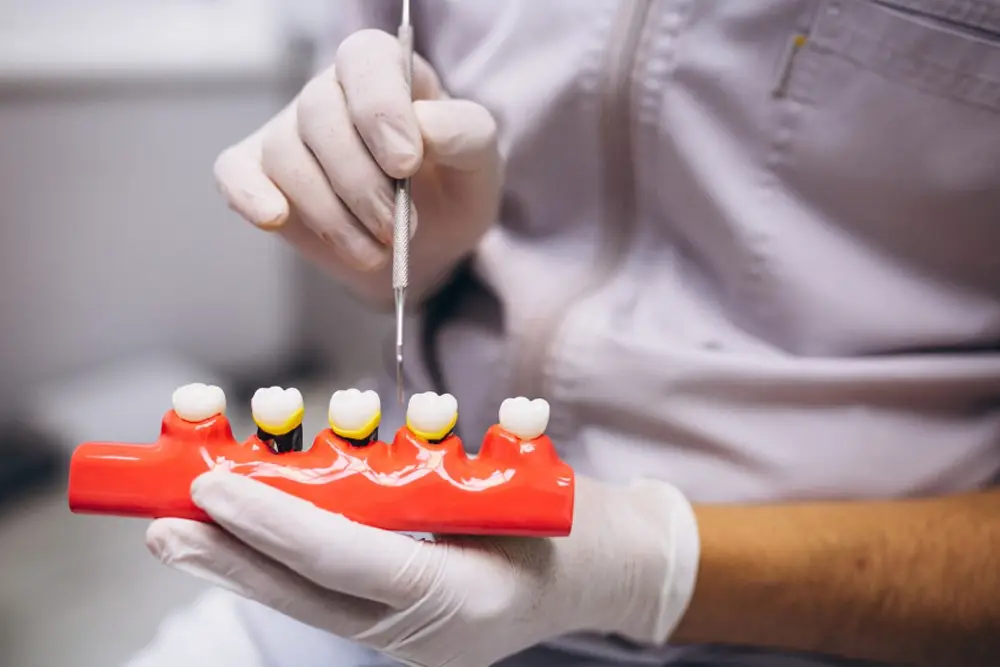
What Happens to Fillings, Crowns, and Bridges?

Here is a clear comparison of all three options so you can understand exactly what makes implants different:

Dental Restoration Will It Whiten?
Natural Teeth Yes
Tooth-Colored No
Fillings Crowns No
Bridges No

How Long Do Whitening Results Last?

Results don't have a fixed expiration date. Their longevity depends on factors such as your diet, oral hygiene, tobacco use, the type of discoloration, and the treatment method used.

Regular dental cleanings, good home care, and sensible maintenance can help you preserve your results.

If staining gradually returns, your dentist can determine whether a professional touch-up or another option is appropriate.

Is Professional Teeth Whitening Worth It?

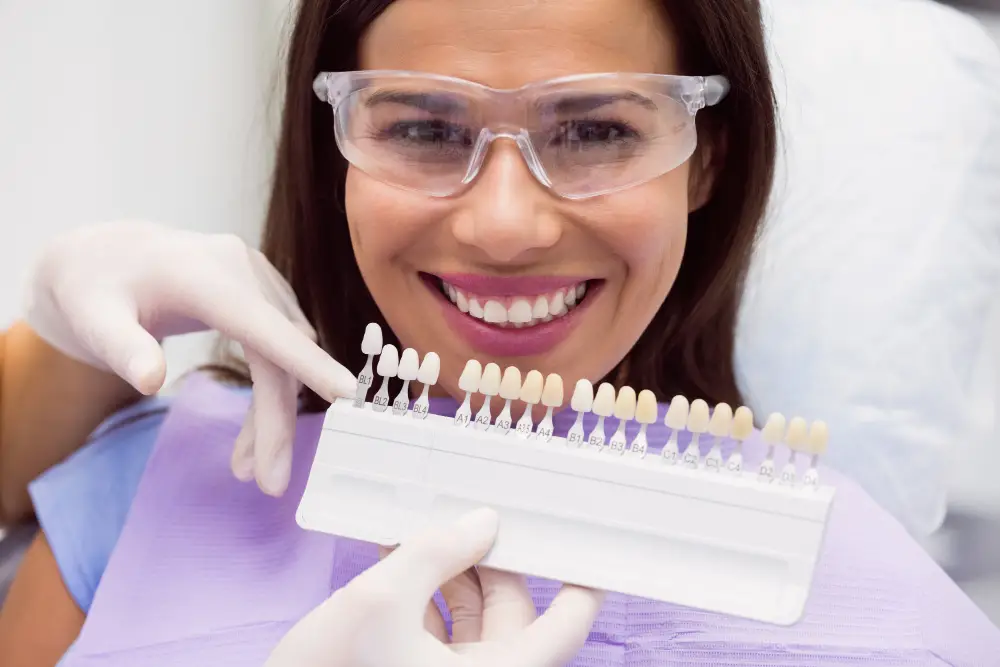
For patients looking for a noticeable improvement in tooth color, professional teeth whitening provides a dentist-supervised approach.

Before treatment, your dental team can evaluate your teeth and gums, identify cavities or other concerns, and assess existing restorations. Treating underlying dental problems first may be necessary before cosmetic bleaching.

The cost of teeth whitening varies according to the treatment method, dental office, and whether take-home products are included. A consultation can help you understand the available options and what is appropriate for your smile. Your dentist can discuss your goals, evaluate your oral health, and help you choose an appropriate whitening approach.


Common Whitening Aftercare Myths

“I shouldn't brush after treatment.”
Not true. Continue your normal oral hygiene routine. If your teeth feel sensitive, simply brush gently with a soft-bristled toothbrush.

“If I use more product, I'll get better results.”
Not necessarily. Excessive use can increase sensitivity and irritation without providing the improvement you're expecting.

When Should You Contact Your Dentist?

Mild sensitivity or gum irritation can occur following treatment and generally settles with time.

Contact your dentist if you experience:

  • Severe or worsening pain
  • Sensitivity that persists
  • Significant gum irritation
  • Symptoms that do not improve

Persistent discomfort may have another underlying cause and should not simply be treated with more bleaching.

Frequently Asked Questions

For about 48 hours is a commonly recommended precaution because coffee contains dark pigments that can contribute to staining. Your dentist may provide different instructions depending on the treatment you received.
Yes. However, choose lighter-colored foods during the first 48 hours and limit highly pigmented and acidic foods. If you are sensitive, avoid extremely hot or cold foods temporarily.
Bleaching agents can temporarily increase sensitivity. This usually improves with time. Sensitivity toothpaste and avoiding extreme temperatures may help.
Natural teeth can be lightened, but most fillings and crowns will not change shade. Your dentist should assess visible restorations before treatment.
There is no universal schedule. The appropriate frequency depends on the whitening method, your oral health, sensitivity, and the condition of your teeth. Follow your dentist's recommendations rather than repeatedly treating your smile on your own.

Keep Your Smile Looking Its Best

Good aftercare is an important part of maintaining a brighter smile. Simple habits such as choosing your foods carefully for the first couple of days, drinking water, maintaining oral hygiene, and avoiding tobacco can help protect your results.

If you're considering cosmetic bleaching or want to refresh an existing result, Pristine Dental and Orthodontics can evaluate your smile and recommend an approach based on your dental needs, existing restorations, and cosmetic goals.

Recents Blogs

Emergency dental care tips
August 07, 2026

Emergency Dental Care Tips: What to Do in a Dental Emergency

A dental emergency can happen at any time. A sudden toothache, a broken tooth, a...

Know More
Dental Implants
July 20, 2026

Are Dental Crowns Permanent? What Every Patient Should Know Before Getting One

A cracked tooth doesn't always need to be removed. In many cases, it simply needs...

Know More
What Can I Eat with Braces
July 14, 2026

What Can I Eat with Braces? A Complete Food Guide

Beginning orthodontic treatment with traditional braces is an exciting step toward achieving a straighter, healthier...

Know More
Can Veneers Fix Crowded Teeth
July 06, 2026

Can Veneers Fix Crowded Teeth? Everything You Need to Know Before Choosing Treatment

Have you ever looked in the mirror and wished your teeth were a little straighter...

Know More