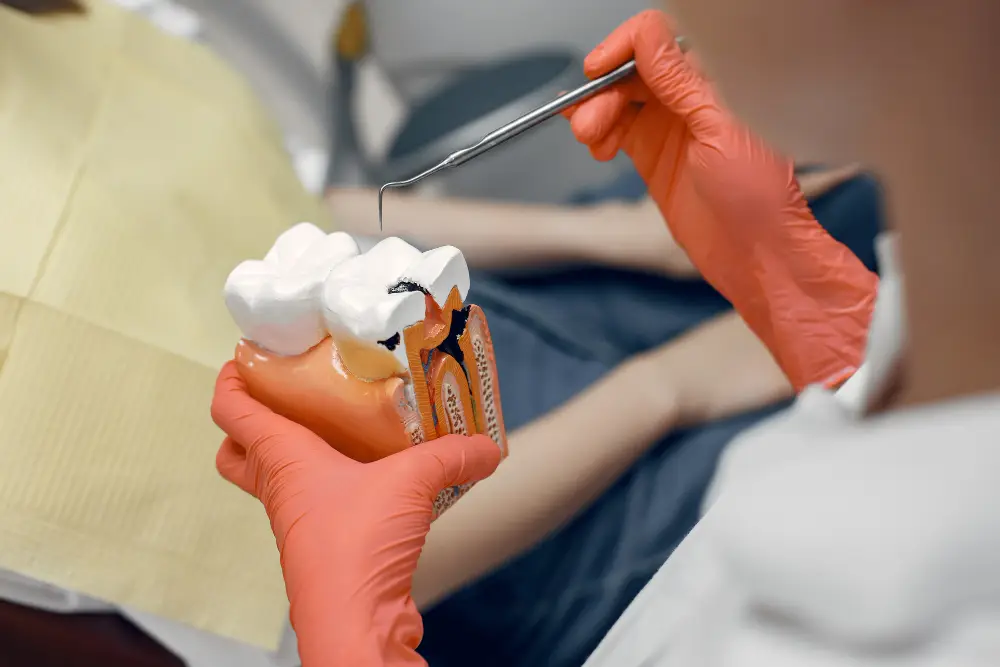
Dental Implant Placement

Dental implant placement is a surgical procedure in which a titanium post is set into the jawbone to hold a replacement tooth or bridge. The surgery usually takes 30 to 60 minutes for a single implant, followed by several months of healing before the permanent crown is attached.

Dental implants have changed the way missing teeth are replaced, offering a long-lasting and natural-looking option for restoring your smile. This guide walks you through the essentials of dental implant placement so you know what to expect at every step.

In this guide: What Is Dental Implant Placement? | The Surgical Procedure | Healing | Timing | Number of Implants | Risks | Seniors | Choosing a Dental Professional | Advantages | FAQs

Dental Implant Placement

What Is Dental Implant Placement?

Dental implant placement begins with a surgical procedure in which a titanium post is inserted into the jawbone. The post acts as a stable base, much like a tooth root, for a replacement tooth or bridge. This restores the appearance of your smile and helps maintain jawbone integrity, preventing the bone loss that often follows tooth loss.

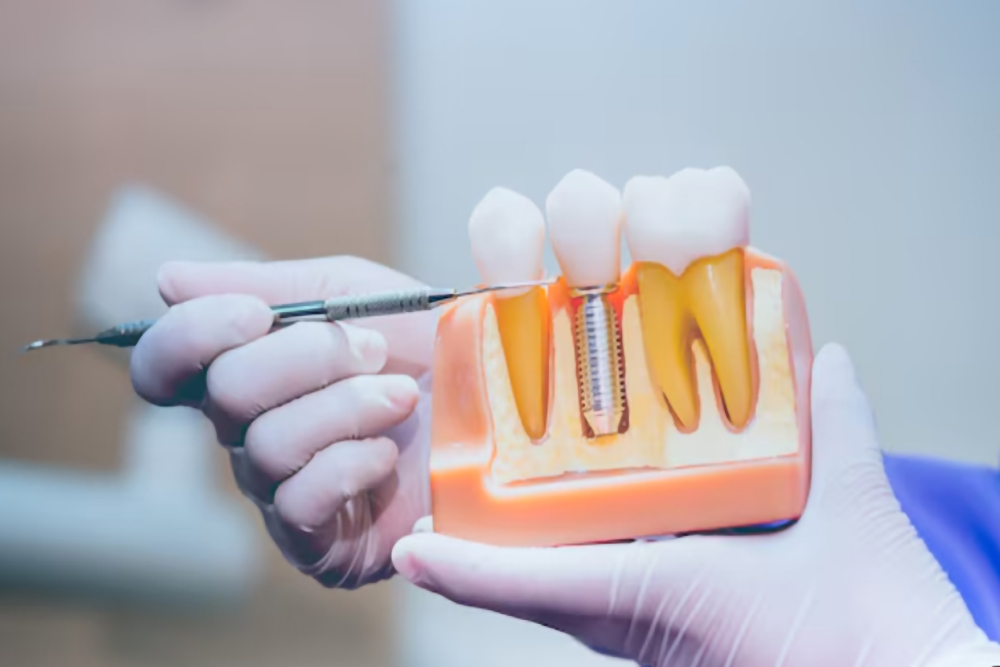
The Dental Implant Surgical Procedure

Initial Consultation and Planning

The process starts with a complete dental exam, often using X-rays or 3D scans to check bone density and find the ideal spot for the implant. A treatment plan is then crafted to suit your needs and goals.

Surgical Placement

On the day of the procedure, a local anesthetic is applied to ensure your comfort. Sedation options may also be available if you feel anxious. The oral surgeon gently opens the gum to reach the jawbone, drills a small, precise hole, and places the titanium implant. The gum is then closed with stitches.

The procedure typically takes 30 to 60 minutes for a single implant and 2 to 3 hours for multiple implants.

Questions about whether you're a candidate? Schedule an implant consultation.

How Long Does Healing Take After Dental Implant Surgery?

After surgery, a healing period called osseointegration occurs. This is the process in which the implant fuses with the jawbone. It commonly takes about 3 to 6 months, and sometimes longer, depending on your bone health and the implant location [add source]. It is crucial for the stability of the implant. Temporary teeth may be placed during this period to preserve appearance and function.

After healing, a small follow-up procedure may be needed to attach an abutment, the connector that links the implant to the permanent crown. Sometimes the abutment is placed at the same time as the initial surgery.

Typical aftercare:
  • Swelling and mild discomfort: Common for the first few days and usually manageable with over-the-counter pain relievers.
  • Diet: Stick to soft foods while the area heals.
  • Hygiene: Keep the area clean, following your dentist's instructions.
  • Smoking: Avoid it, as it can slow healing.
  • Follow-up visits: Attend all scheduled checks so your dentist can monitor healing.

Contact your dentist if you notice severe pain, persistent swelling, fever, or an implant that feels loose.

Typical implant timeline:
Stage What Happens Approximate Time
Consultation Exam, X-rays or 3D scan, treatment plan 1 visit
Placement Implant set into the jawbone 30–60 minutes (single implant)
Healing Osseointegration About 3–6 months
Abutment Connector attached Short follow-up visit
Crown Permanent tooth fitted After healing

Timing of Dental Implant Placement

Dental implants can be placed at various times:

  • Immediate Placement: Inserted directly after tooth extraction.
  • Early Placement: Placed within a few weeks after extraction.
  • Delayed Placement: Placed a few months after extraction to allow the area to fully heal.

The optimal timing depends on individual circumstances, including bone health and the presence of infection.

How Many Dental Implants Do You Need?

The number of implants depends on how many teeth are missing.

Situation Typical Approach
Single Tooth One implant and crown
Multiple Teeth Implant-supported bridge, which may require two or more implants
Full Arch Implant-supported dentures or bridges, secured with as few as four implants per arch

Your dentist will conduct a detailed assessment to decide how many implants suit your needs.

Risks and Possible Complications

Dental implants are a reliable option, but like any surgery they carry some risks. These include infection, nerve damage, sinus complications for upper jaw implants, gum inflammation around the implant (peri-implantitis), and, in some cases, implant failure. Smoking, uncontrolled diabetes, and poor oral hygiene can raise these risks. Your dentist will review them with you before treatment.

Dental Implants for Seniors

Age alone isn't a limiting factor. Overall health and bone density matter more. Conditions such as uncontrolled diabetes, osteoporosis medications, and certain heart conditions can affect planning, so your dentist may coordinate with your physician.

For older adults with reduced bone volume, procedures like bone grafting can improve implant success. Implants offer a stable, natural-looking solution that lets seniors smile confidently in social and professional settings.

Choosing the Right Dental Professional

Selecting an experienced, reputable dental professional is essential. Pristine Dental & Orthodontics, an affordable family dentist in Arnold, MO, offers patient-focused implant care and guides you through every step of the process.

Ready to take the next step? Explore our dental implants in Arnold or schedule a consultation.

Advantages of Dental Implants

  • Durability: With good care, implants can provide lasting support for many years.
  • Functionality: They restore full chewing ability, so you can enjoy your favorite foods.
  • Aesthetics: Implants are designed to look and feel like natural teeth.
  • Bone Health: They help preserve jawbone by stimulating the bone, which reduces bone loss.

Frequently Asked Questions

Most patients report only mild discomfort. The procedure is performed with local anesthesia, and sedation options may be available. After surgery, mild pain can usually be controlled with common pain relievers.
It can span several months from consultation to final crown placement. The exact length depends on healing and any additional procedures, such as bone grafting.
Dental implants have a high success rate, reported at up to about 98% in studies [add source and timeframe]. Success depends on bone health, oral hygiene, and habits like smoking.
Yes, but smoking can slow healing and raise the risk of implant failure. Quitting before the procedure improves healing and long-term success.
Coverage varies by provider and plan. Check with your insurance company to understand your benefits.
With good care and regular checkups, implants can last many years, and often decades [add source]. The crown may need replacement sooner than the implant itself.
Sometimes. This is called immediate placement, and it depends on your bone health and whether infection is present.
Often, yes. Overall health and bone density matter more than age, and your dentist will evaluate both.

Conclusion

Dental implant placement can greatly improve your comfort, function, and confidence, so it's a significant decision. By understanding the process and working with skilled professionals, you're well on your way to restoring your smile.

Recents Blogs

Root Canal
October 18, 2026

Is a Root Canal Really Painful? What to Expect, Recovery, and How It Saves Your Natural Smile

If you’ve been experiencing a sharp ache while biting down or persistent sensitivity when drinking...

Know More
Dental implant model used to explain signs of a dental implant infection
October 10, 2026

Signs of a Dental Implant Infection: Symptoms, Causes, and Treatment

Dental implant infection can cause red, swollen, or bleeding gums, persistent discomfort, pus around the...

Know More
How Long Does a Root Canal Take
October 03, 2026

How Long Does a Root Canal Take?

A root canal typically takes 30 to 90 minutes per appointment, depending on the tooth's...

Know More
How Long Does Dental Bonding Last
September 25, 2026

How Long Does Dental Bonding Last?

If you are considering dental bonding to repair a chipped tooth, close a small gap,...

Know More