Does Getting a Tooth Filling Hurt?

Many people delay dental treatment because of fear or anxiety. One of the most common concerns patients have is, does getting a tooth filling hurt? This question is completely understandable, especially if you’ve never had a filling before or had an unpleasant dental experience in the past.

The truth is that modern dentistry has made the dental filling procedure much more comfortable than most people expect. Understanding what happens during treatment can help reduce fear and encourage timely care.

Does Getting a Tooth Filling Hurt?

What Is a Dental Filling?

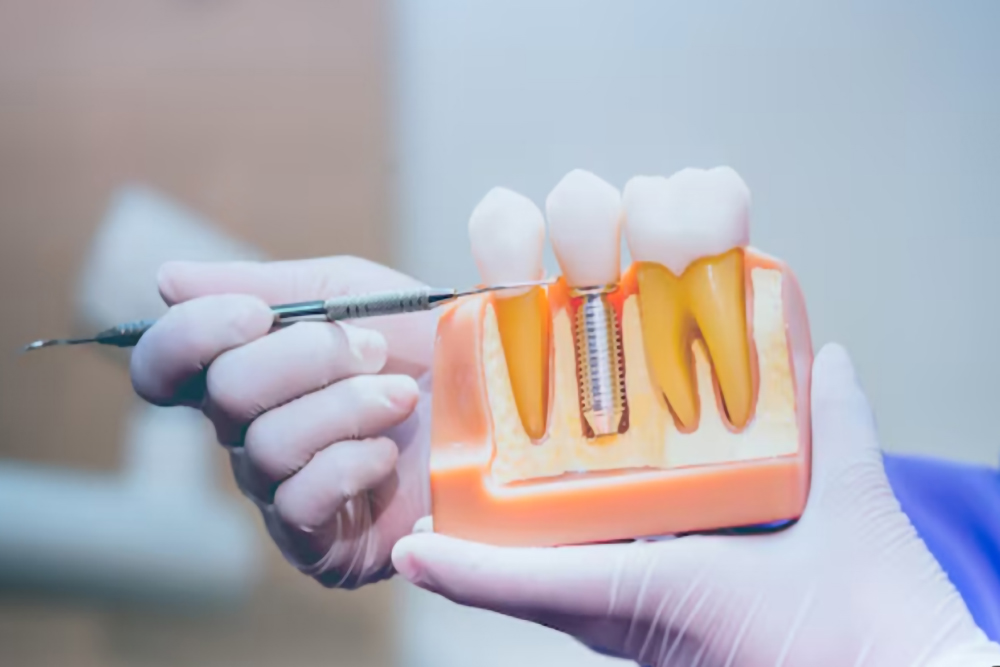
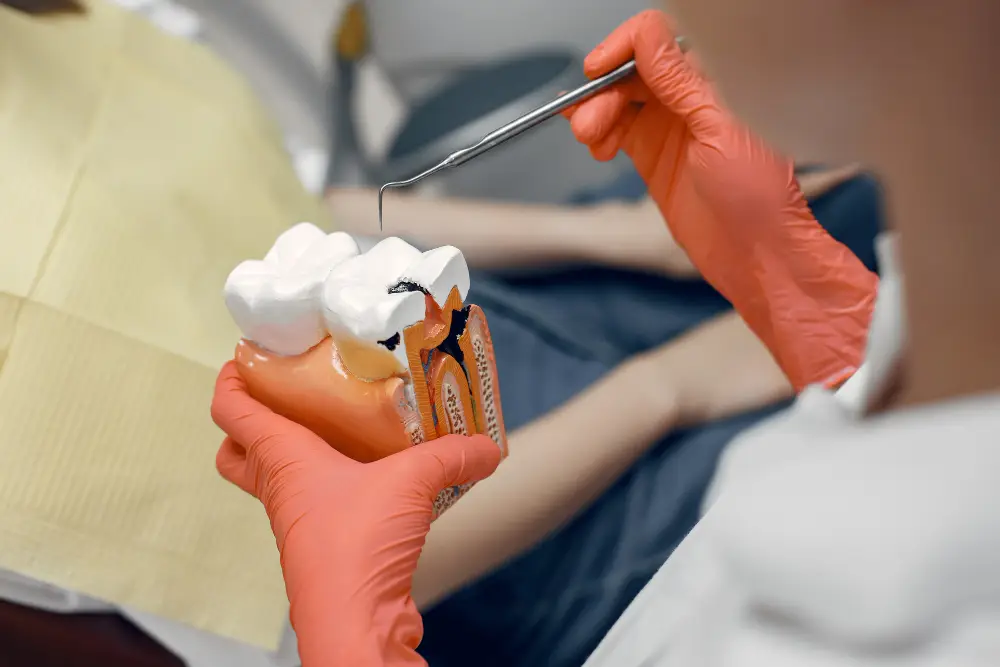
A dental filling is used to repair a tooth damaged by decay (cavities). When bacteria break down tooth enamel, small holes form in the tooth. If left untreated, these cavities can grow larger and lead to pain, infection, or even tooth loss.

During the procedure, the dentist removes the decayed portion of the tooth and fills the space with a strong material to restore its shape and function. This helps protect the tooth from further damage and restores normal chewing.
Does the Filling Procedure Cause Pain?

Many patients ask again, does getting a tooth filling hurt, especially when dental tools are involved. Fortunately, dentists use local anesthesia to numb the area around the tooth before treatment begins. This prevents pain during the procedure.

You may feel some pressure or mild vibration while the cavity is being cleaned, but sharp pain is uncommon. In most cases, the procedure is quick and comfortable, particularly when cavities are treated early.

What About Pain After the Filling?

Once the numbness wears off, mild sensitivity is normal. Some patients notice temporary discomfort when biting or when eating hot or cold foods. This usually fades within a few days as the tooth adjusts.

If discomfort continues or your bite feels uneven, your dentist can make a simple adjustment to improve comfort. Ongoing or severe pain is rare and should be evaluated promptly.

Tooth-Colored Fillings: A Natural Option

Many patients today prefer composite or tooth-colored fillings because they blend naturally with surrounding teeth. These fillings are strong, long-lasting, and suitable for both front and back teeth.

Patients looking for tooth colored fillings in Arnold, MO often choose this option for its natural appearance and reliable performance. Composite materials also bond closely to the tooth, helping preserve more natural tooth structure.

Tips for Cavity Prevention

Preventing cavities is the best way to avoid fillings altogether. Consistent oral care habits can help protect your teeth for years to come. Here are some effective Tips for cavity prevention:

  • Brush twice a day with fluoride toothpaste
  • Floss daily to remove plaque between teeth
  • Limit sugary foods and drinks
  • Drink plenty of water throughout the day
  • Visit your dentist regularly for cleanings and exams

Choosing an experienced dental team, such as Pristine Dental and Orthodontics, can help ensure cavities are detected early and treated comfortably. Regular visits to a trusted Dentist in Arnold MO or Dentist in St. Ann MO allow dental issues to be addressed before they become more serious.

Why Early Treatment Matters

Ignoring a cavity can turn a simple filling into a more complex procedure like a crown or root canal. Early treatment not only saves time and money but also keeps discomfort to a minimum.
If you’re still wondering, does getting a tooth filling hurt, it’s helpful to know that modern techniques focus on precision, comfort, and efficiency. Most patients are pleasantly surprised by how easy the experience is.

Final Thoughts

Dental fillings are a safe and effective way to restore damaged teeth and protect long-term oral health. With today’s advanced technology and gentle care, the process is typically stress-free.

If you notice tooth sensitivity, pain, or dark spots on your teeth, scheduling an appointment early can make a big difference. A simple filling today can help prevent bigger dental problems tomorrow.

Recents Blogs

Gum Disease Treatment
January 20, 2026

Can Gum Disease be Cured?

Before we jump directly into the nuances of can gum disease be cured, let’s delve...

Know More
Dental Veneers
January 12, 2026

Can you get Cavities with Veneers?

Cavities and veneers are often misinterpreted because people don’t understand the process behind cavity formation,...

Know More
Tooth Replacement Option
December 25, 2025

Best Tooth Replacement Options: Finding the Right Solution for Your Smile

Having a missing or broken tooth can affect how we look, but it can also...

Know More
Restirative Dentistry
December 16, 2025

What is Restorative Dentistry?

There is often a misconception that restorative dentistry is purely a cosmetic procedure. However, the...

Know More