Types of Dental Fillings
Currently, there are several types of fillings available to patients in modern dentistry, and they all have different lifespans and advantages.
Dental fillings are a frequent and effective method of restoring teeth that have defects due to decay or minor fractures. If you’ve just had a dental repair or are considering one, you are probably asking, how long do dental fillings last? The longevity of a filling depends on several factors, including the material chosen, your oral hygiene, and related habits such as bruxism or eating hard foods.

Currently, there are several types of fillings available to patients in modern dentistry, and they all have different lifespans and advantages.
Amalgam filling is composed of a mixture of metal metals (silver, mercury and tin). They are durable and have long-spans 10-15 years or longer with the appropriate care. It is most commonly used in posterior teeth, as they can withstand the force of chewing.
They are fabricated from a mixture of plastic and fine glass particles. Composite fillings are tooth-colored fillings used to fill anterior teeth, when an aesthetics matter.
Ceramic fillings consist of porcelain and have a high level of resistance to staining. They can last anywhere from 10-15 years with proper care and maintenance. They are often preferred for patients who want a more natural look, with durability.
Glass ionomer fillings are made of a mixture of acrylic and a certain type of glass, and if that wasn't enough, these restorations contain fluoride which help to protect the tooth against further decay. They are durable but not as long-lasting as other options. They generally last for about 5 years or less. They are generally used for small cavities, or in places which are not exposed to heavy chewing.
The type of filling is an important consideration, but other factors also impact the longevity. Oral hygiene is also an important factor in how long a restoration will last. Routine brushing and flossing, along with regular dental check-ups, limit the potential for additional decay. Diet also plays a role. Consuming sugary or acidic foods often weakens the filling and tooth structure around the filling. Habits such as grinding or clenching teeth, biting nails, and chewing ice can also decrease longevity.
Even if you take good care of your fillings, they may not last indefinitely. Some signs that a restoration may need attention include sensitivity to hot or cold food or drinks, any signs of cracking or chipping, discoloration, and/or pain when biting. Visit your dentist in Arnold, MO, regularly so they can catch it early and either repair or replace your filling before it becomes a bigger issue.
So, how long do dental fillings last? The answer is dependent on its type, your habits, and your oral hygiene. Amalgam or ceramic fillings can last more than ten years where others do not. If you live in Arnold, MO and you are thinking about getting a dental repair, you can consider scheduling an appointment to have a trusted Arnold dentist recommend care you should practice or your overall dental health. For those in need of restoration, you can find tooth fillings for structure and dental restorations.
Having regular dental check-ups and good oral hygiene can increase the longevity of your fillings, and keep your dental health and smile beautiful for years to come.

A brighter smile can make you feel more confident, but what happens after your treatment...
Know More
A dental emergency can happen at any time. A sudden toothache, a broken tooth, a...
Know More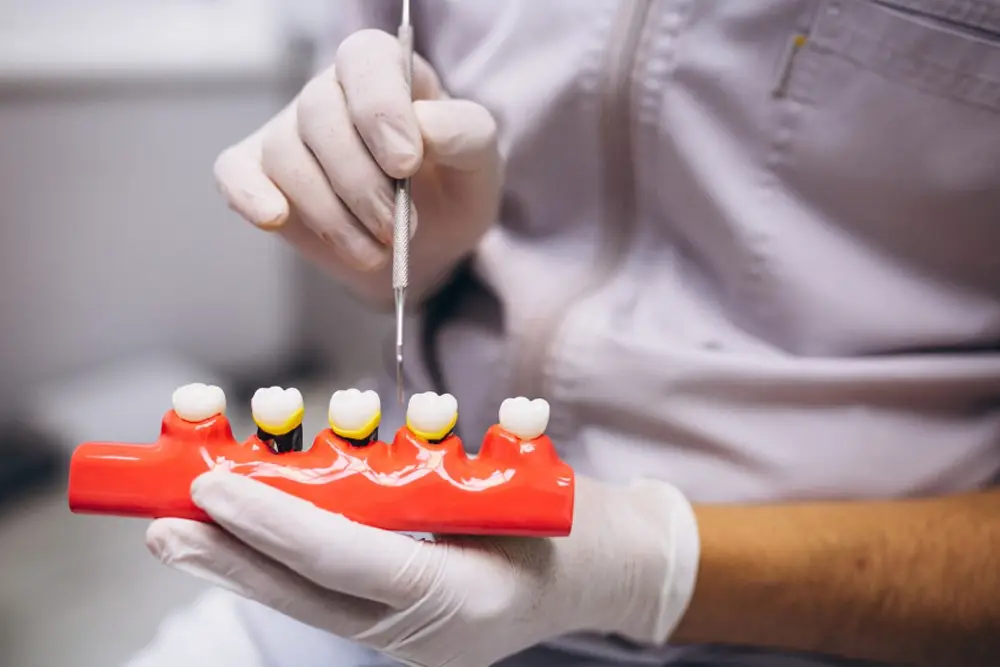
A cracked tooth doesn't always need to be removed. In many cases, it simply needs...
Know More
Beginning orthodontic treatment with traditional braces is an exciting step toward achieving a straighter, healthier...
Know More