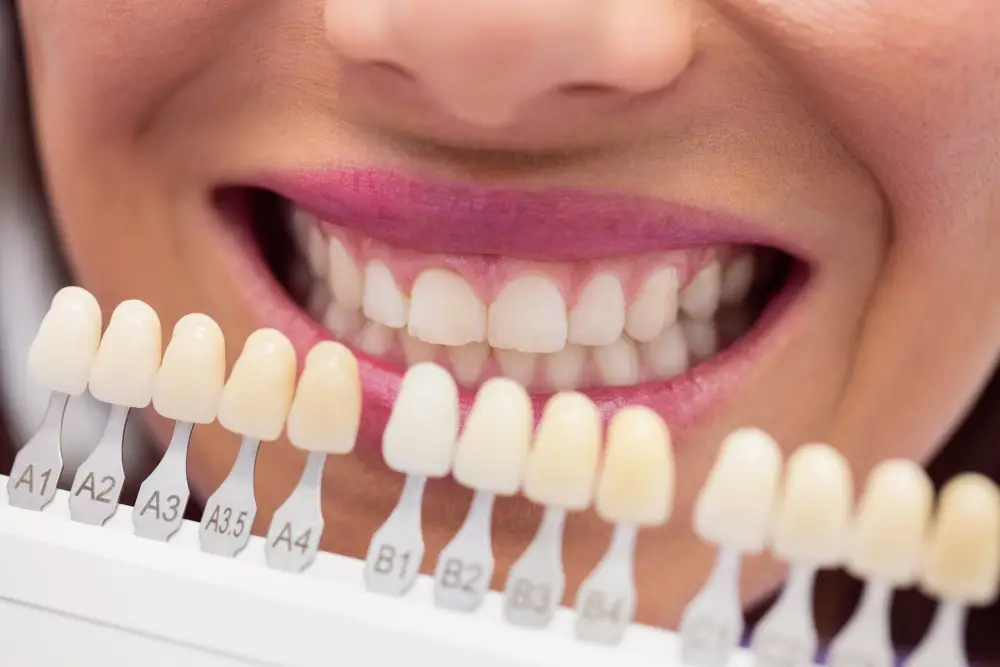
How Many Dental Veneers Do You Actually Need?

Quick Answer: Most patients need 6 to 8 dental veneers for a full smile transformation. However, the right number depends on your smile width, cosmetic goals, and tooth condition - ranging from just 1–2 for minor fixes to 10–12 for a minimal-smile makeover.

How Many Dental Veneers Do You Actually Need?

You're Not Alone in Asking This

Picture this. You've spent years hiding your smile in photos, lips together, hand over your mouth, never quite letting yourself laugh freely. You've finally decided to do something about it. You've researched dental veneers, you're excited, and then the question hits you. How many do I actually need?

It's one of the most common questions patients ask before a veneer consultation and one of the most misunderstood. The truth is more nuanced, and more encouraging, than most people expect.

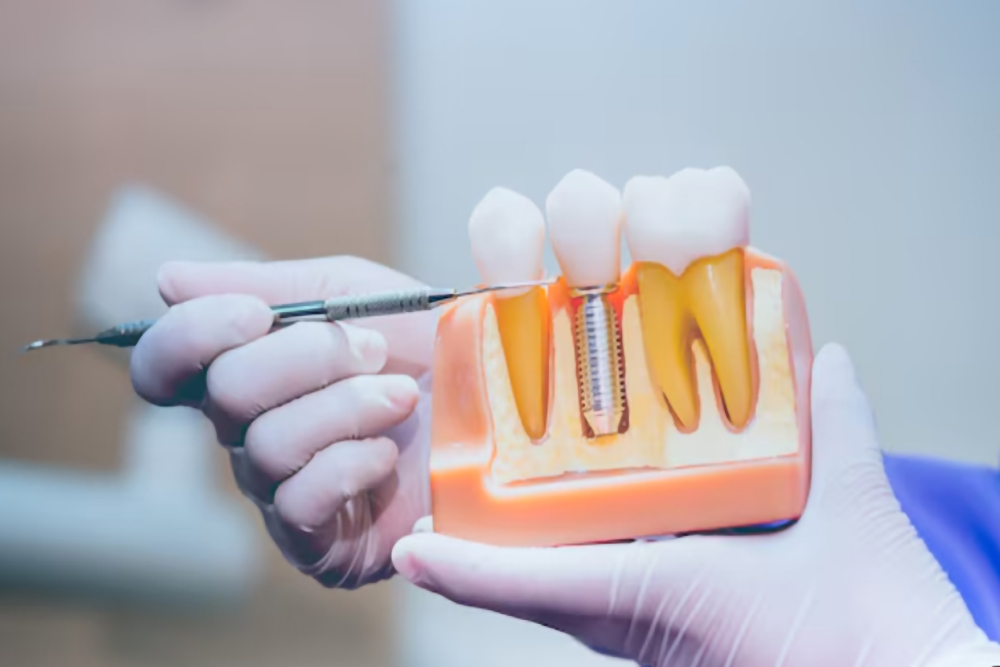
What Is the "Smile Zone"?

Before recommending veneers, your dentist will assess your smile zone - the teeth actually visible when you smile naturally. For most people, they assess the upper front 6 to 8 teeth, but smile width varies considerably. Some people show 10 teeth across the top; others reveal very few.

Try it yourself: smile naturally at a mirror and count which teeth show. That's your baseline for veneer planning.

What Is the 4-8-10 Rule for Veneers?

The 4-8-10 rule is a widely used guideline among cosmetic dentists that groups veneer treatments into three common tiers based on your smile goals:

4 Veneers - The Targeted Touch-Up:

Covers the four front teeth (central and lateral incisors). Ideal for patients with minor gaps, chips, or size discrepancies limited to the most visible front teeth. Works best when the surrounding teeth are already healthy and well-matched in color.

6–8 Veneers - The Classic Smile Makeover:

The most commonly recommended range. Six veneers cover the front six upper teeth including canines; eight extend to the first premolars. This covers the entire smile zone for most patients and delivers a comprehensive, uniform transformation.

10–12 Veneers - The Complete Transformation:

For patients with wide smiles that reveal the premolars, or those with severe discoloration and extensive wear across many teeth. Ensures no color boundary is visible even during broad, expressive smiling.

How Many Veneers for a Full Smile?

For most patients, 8 veneers provide a complete, natural-looking smile. If your smile is narrower, 6 may be genuinely sufficient. If you prominently display your second premolars when laughing or speaking, 10 may be necessary.

One important principle: Dental veneers are always placed in even numbers because symmetry is essential. Treating one lateral incisor means treating its mirror on the opposite side. This is why counts are always 2, 4, 6, 8, 10, or 12 - never odd.

Can You Get Just 1 or 2 Veneers?

Absolutely. A single veneer works well when one tooth is chipped, discolored, or oddly shaped while the surrounding teeth are healthy and attractive. Two veneers are commonly used to close a gap between the two front teeth or correct a matched pair of imperfections.

The key requirement is that adjacent natural teeth must be close enough in shade to blend seamlessly with the new veneer. An experienced cosmetic dentist will calibrate color carefully so the result looks invisible, not just under clinic lighting, but in sunlight and everyday occasions too.

What Happens After 20 Years of Having Veneers?

Porcelain veneers are long-lasting but not permanent. Most last 10 to 20 years before replacement is needed. After 20 years, common issues include minor chipping, slight color change at the cement line, or gum recession exposing the tooth near the root margin.

The good news: replacing veneers is less invasive than the original placement. Wearing a night guard if you grind your teeth can meaningfully extend their lifespan.

What Is the 2-2-2 Rule for Teeth?

The 2 2 2 rule is a dental hygiene guideline. Brush 2 times per day, for 2 minutes each session, and visit your dentist twice a year. It applies equally to natural teeth and veneers, and consistent oral hygiene keeps gum tissue healthy around veneer margins and protects your investment long term.

Frequently Asked Questions

Placement requires removing 0.3 to 0.7 mm of enamel from the front surface, a largely irreversible process. However, this does not damage the tooth clinically; the inner structure and root remain untouched.
The veneers themselves are not permanent and will eventually need replacement. But the tooth preparation involved is permanent, making veneers a long-term commitment.
It depends on your smile width. Six veneers suit narrower smiles; eight are recommended when premolars are visible during a broad smile. Your dentist will assess which number creates the most natural result.

The Bottom Line

There is no single right answer, but there is a right answer for you. The best next step is a consultation with an experienced cosmetic dentist who will assess your smile zone, discuss your goals, and show you a digital preview of your results before a single tooth is touched.

Ready to find out how many veneers you need? Give us a call to schedule your personalized smile consultation. Call our Arnold office at 636 296 2055, or our St. Ann, MO office at 314 427 7400.

Recents Blogs

Root Canal
October 18, 2026

Is a Root Canal Really Painful? What to Expect, Recovery, and How It Saves Your Natural Smile

If you’ve been experiencing a sharp ache while biting down or persistent sensitivity when drinking...

Know More
Dental implant model used to explain signs of a dental implant infection
October 10, 2026

Signs of a Dental Implant Infection: Symptoms, Causes, and Treatment

Dental implant infection can cause red, swollen, or bleeding gums, persistent discomfort, pus around the...

Know More
How Long Does a Root Canal Take
October 03, 2026

How Long Does a Root Canal Take?

A root canal typically takes 30 to 90 minutes per appointment, depending on the tooth's...

Know More
How Long Does Dental Bonding Last
September 25, 2026

How Long Does Dental Bonding Last?

If you are considering dental bonding to repair a chipped tooth, close a small gap,...

Know More