Stop Ignoring Hidden Decay: Why Your Smile Needs Dental X-Rays to See What’s Beneath the Surface.

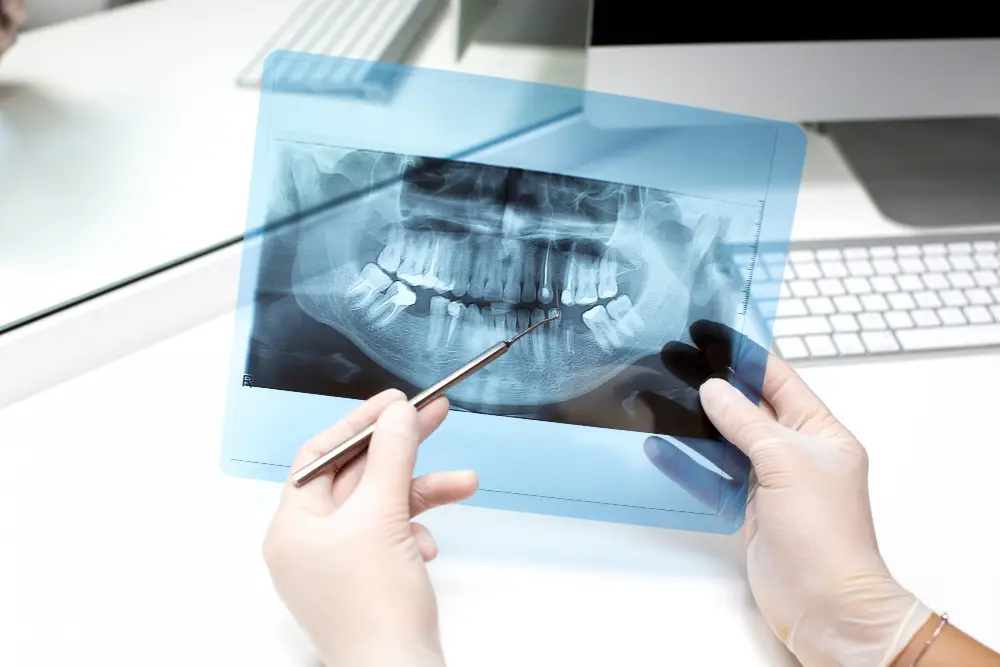
Dental x-rays (radiographs) are of paramount importance to dentists when diagnosing (hidden) dental issues or complications, such as cavities, misalignments, bone loss, or abscesses. Certainly, regular dental X-rays help with early detection and diagnosis, which in turn helps solve the problem well in advance, rather than waiting for chronic symptoms and then beginning treatments.

In this blog, let’s understand what dental X-rays are and why they are important on a regular basis with regard to oral hygiene.

Stop Ignoring Hidden Decay: Why Your Smile Needs Dental X-Rays to See What’s Beneath the Surface.

What are dental X-rays?

These are image-based radiographs that depict the oral features, like teeth, gums, and jawbone. These images help dentists understand the detailed oral interiors, underlying issues, and identify potential complications that cannot be diagnosed through a visual examination.

Broadly, these images can identify the following use cases in patients:
  • Tooth decay under the fillings or between the teeth
  • Infections in the roots or gums of a tooth
  • Signs of gingivitis or advanced periodontal disease
  • Bone density and bone loss in the jaws
  • Restoration quality—fillings, crowns, or bridges
  • Misalignment of braces or dentures
  • Development of a new or impacted tooth
  • Cysts, clumps, abscesses, or tumors

How important are regular dental X-rays in dental care?

Ensuring a healthy and hygienic oral care is important for each one of you. Thus, regular X-rays are important to study the oral features in detail. Curated below are some of the strong reasons why regular X-rays are essential.

  • To identify hidden dental issues (all the above-listed issues can be detected and analysed).
  • To understand the overall development of teeth in children, adults, and senior citizens.
  • To diagnose a dental issue even before the onset of symptoms.
  • To identify, monitor, and track the dental treatments like fillings, implants, caps, or aligners.
  • To increase the probability of treatment success and reduce complications.
  • Most importantly, to identify the prevalence of tumorous cancer cells under the tongue, along the gums, or anywhere in the mouth.
  • To have an eye on the jawbone, gum, or tooth quality.

What to Expect During a Dental X-Ray?

If you have never had dental X-rays or feel anxious about them, here is what you can typically expect:
  • Preparation: You’ll wear a lead apron and, if necessary, a thyroid collar for protection.
  • Positioning: The dental assistant will position a small sensor or film in your mouth.
  • Imaging: You’ll be asked to bite down gently while the X-ray machine captures the image.
  • Review: The dentist will review the images and discuss any findings with you.

The entire process usually takes just a few minutes and is painless.

Frequently asked questions

Is it safe to take dental X-rays?

Of course, modern digital dental X-rays feature extremely low radiation levels and are absolutely safe, although multiple sessions or exposures are involved. Moreover, radiologists use protective layers, like aprons, to cover the remaining parts or organs of the body.

What is the recommended frequency in general?

If you’re already experiencing a dental issue, then your dentist might recommend frequent radiographs. Otherwise, you can follow up with an X-ray once every 6 months.

What are the different types of dental X-rays?

The two major types of X-rays are intraoral and extraoral. The former is the conventional bite-wing type and is taken inside the mouth. On the other hand, the latter is a modern digital type and is taken from outside the mouth.

Are there any clinical guidelines for taking these radiographs?

Yes, clinical guidelines are framed for taking them. However, it varies with the patient’s age, oral health, and other factors.

Choosing the right Dentist for dental X-rays in Missouri

Honestly, without the right radiologist and dentist, dental X-rays are of no use. While the radiologist helps capture the X-ray perfectly, covering all the required features, the dentist analyzes and explains the oral/ dental quality. Thus, choosing the right dental care centre with the right expert dentist in Arnold, MO is crucial. One of the most renowned and sought-after centers in the city is Pristine Dental and Orthodontics.

They are a team of expert orthodontists and dental hygienists, catering to a wide range of dental problems for all age groups, with the most effective treatments and practices. They are also located in St. Ann. So, if you're currently residing near this locality, book your appointment with their best dentist in St. Ann, MO now. Notably, Pristine Dental and Orthodontics recommend dental X-rays only if necessary, and adhere to clinical guidelines without fail.

Recents Blogs

Dentures
March 16, 2026

How Many Hours a Day Should I Wear My Dentures?

According to most dentists, the recommended period of time to wear dentures each day would...

Know More
Latest Dental Implant Types
March 05, 2026

What are the Latest Dental Implant Types?

In the last few years, the dental implant procedure has made a quantum jump, so...

Know More
How Often Do You Need to Go to the Dentist
February 18, 2026

How Often Do You Need to Go to the Dentist?

Maintaining a healthy smile is not just about brushing and flossing at home. Regular dental...

Know More
Teeth Whitening After Braces
February 12, 2026

Teeth Whitening After Braces

Are you someone who is about to complete your braces treatment and remove the long-worn...

Know More