Signs of a Dental Implant Infection: Symptoms, Causes, and Treatment

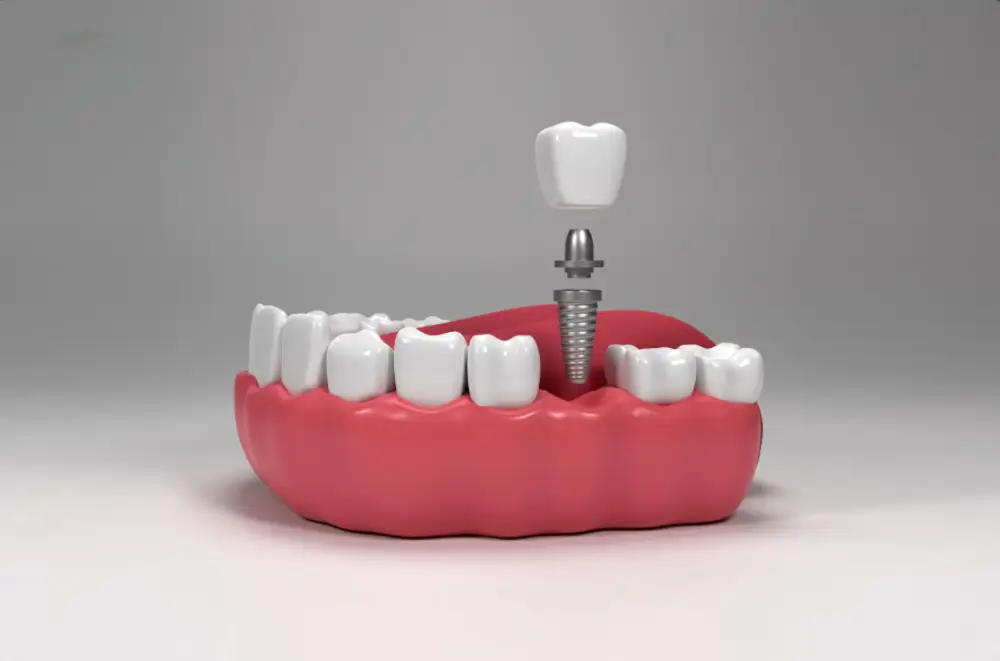
Dental implant infection can cause red, swollen, or bleeding gums, persistent discomfort, pus around the implant, or gum recession. These symptoms may indicate inflammation or an infection affecting the tissues around your implant. Early dental evaluation is important because untreated peri-implantitis can damage the supporting jawbone and threaten long-term implant success.

Signs of a Dental Implant Infection: Symptoms, Causes, and Treatment

Common Signs of Dental Implant Infection

Watch for these warning signs around your dental implants:

1. Gum inflammation: Red, swollen, tender, or painful gums around the implant.
2. Bleeding or pus: Bleeding during brushing or flossing, or discharge around the implant, may indicate infection.
3. Persistent discomfort: Pain or tenderness that continues or worsens after the expected healing period deserves attention.
4. Gum recession: Gums pulling away from the implant may expose more of its surface and indicate a problem with the surrounding tissues.
5. Implant movement: A loose or shifting implant requires prompt professional evaluation.
6. Swelling or fever: Increasing swelling, fever, or swollen lymph nodes alongside oral symptoms can indicate a more serious infection.

These symptoms do not confirm an infection on their own. A dentist must examine the implant and surrounding tissues to determine the cause.

What Causes Dental Implant Infections?

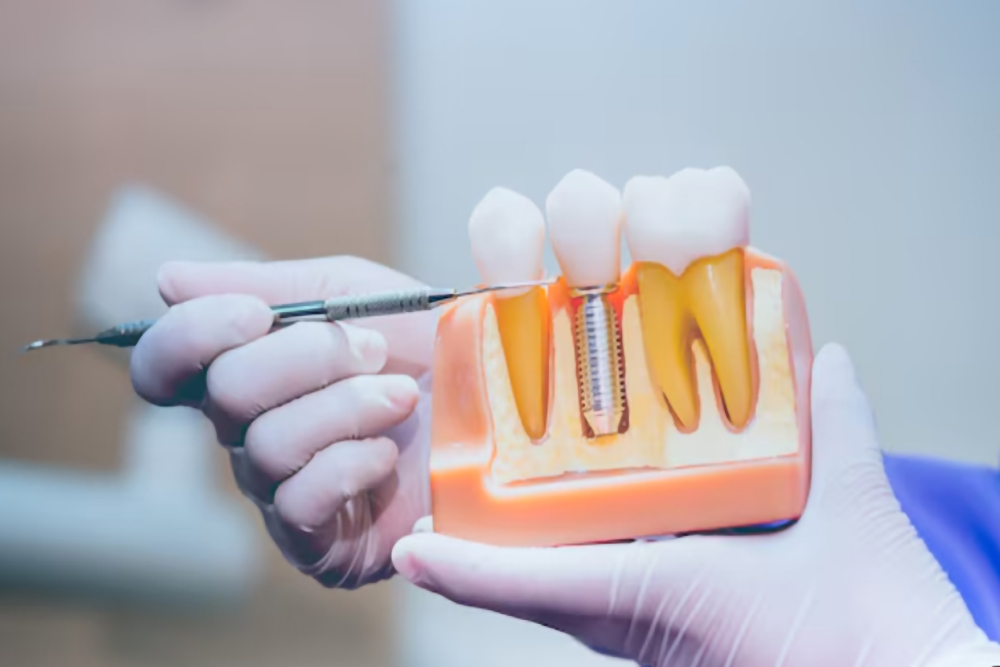
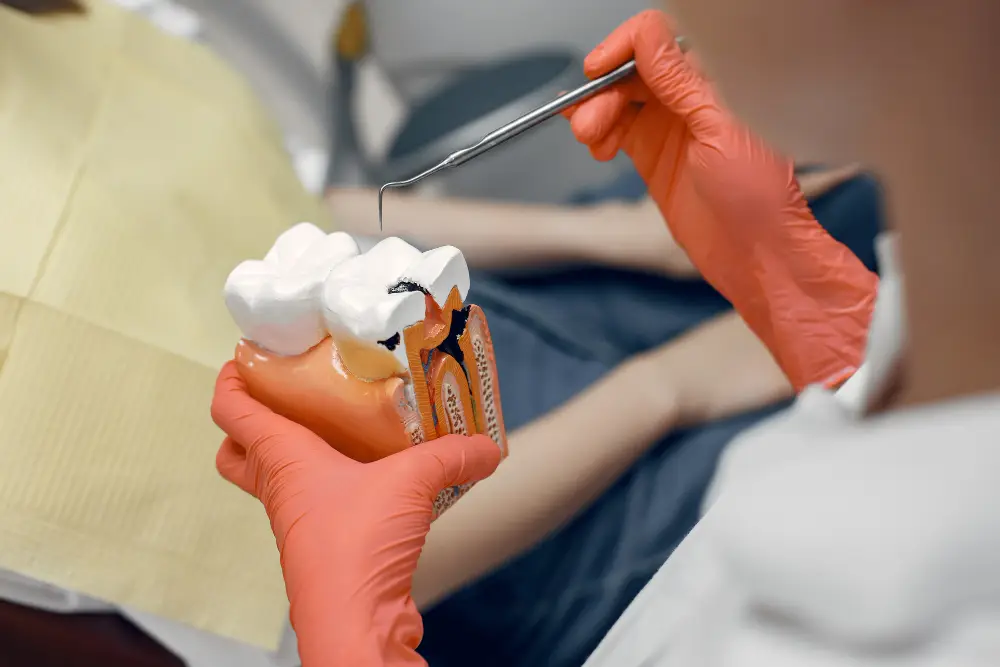
Bacteria and plaque accumulating around an implant can trigger inflammation. Peri-implant mucositis affects the soft tissue around an implant, while peri-implantitis involves inflammation and loss of supporting bone.

Common contributing factors include inadequate oral hygiene, previous gum disease, smoking, diabetes, and difficulties related to implant positioning or restoration design. Even well-maintained implants need regular professional monitoring.

What Happens If an Implant Infection Is Left Untreated?

An untreated infection may progress from gum inflammation to damage involving the bone that supports the implant. As bone loss advances, the implant can become unstable and may eventually need removal.

Early evaluation can help identify the problem before more extensive damage occurs. If you notice pus, increasing pain, persistent bleeding, or a loose implant, contact your dentist promptly. Facial swelling accompanied by difficulty breathing or swallowing requires emergency medical care.

How Are Dental Implant Infections Treated?

Treatment depends on the severity of the condition. Your dentist may examine the gums, assess bleeding and pocket depths, and use dental X-rays to check the supporting bone.

Early inflammation may respond to professional cleaning around the implant and improved oral hygiene. More advanced peri-implantitis may require specialized cleaning, surgical treatment, or other procedures. Antibiotics may be appropriate in selected cases but are not a substitute for treating the underlying cause.

Do not attempt to treat an infected implant with home remedies alone. A cold compress may help temporarily with external swelling, but it does not eliminate the source of infection.

How Can You Prevent Dental Implant Infections?

Protecting healthy gums is essential for long-term implant success.

  • Brush twice daily with a soft-bristled toothbrush.
  • Clean between your teeth and around implants daily using recommended floss or interdental brushes.
  • Attend regular dental checkups and professional implant maintenance visits.
  • Avoid smoking and discuss diabetes management with your healthcare provider.
  • Follow your dentist's postoperative instructions after dental implant placement.
  • Report bleeding, swelling, discomfort, or changes in implant stability early.

Consistent oral hygiene and professional monitoring can help reduce the risk of peri-implant disease and support the longevity of your restoration.

Frequently Asked Questions

Redness, worsening swelling, persistent pain, pus, or fever may indicate a complication. Contact your dentist for an examination rather than trying to diagnose the problem yourself.
A suspected infection needs prompt dental assessment, especially if symptoms worsen or the implant becomes loose. Seek emergency medical care for difficulty breathing or swallowing or rapidly spreading facial swelling.
Maintain daily oral hygiene, follow postoperative instructions, avoid smoking, and attend recommended follow-up appointments. Your dentist can tailor preventive care to your individual risk factors.
The condition may progress to bone loss, implant instability, and possible implant failure. Early treatment can help limit damage.

Protect Your Dental Implant Health

If you notice changes around your implant, schedule an evaluation with your dental provider. Early diagnosis and appropriate treatment can help protect your gums, supporting bone, and long-term oral health.

References

  • American Academy of Periodontology - Peri-Implant Diseases. Explains peri-implant mucositis, peri-implantitis, symptoms, risk factors and prevention.
  • American Academy of Periodontology Cleveland Clinic - Dental Implants: Types, Purpose & Benefits. Covers implant complications, warning signs and implant care.
  • Cleveland Clinic National Institute of Dental and Craniofacial Research - Official website. A reliable US government source for oral health research and patient education.

Recents Blogs

How Long Does a Root Canal Take
October 03, 2026

How Long Does a Root Canal Take?

A root canal typically takes 30 to 90 minutes per appointment, depending on the tooth's...

Know More
How Long Does Dental Bonding Last
September 25, 2026

How Long Does Dental Bonding Last?

If you are considering dental bonding to repair a chipped tooth, close a small gap,...

Know More
Can You Get Braces With Missing Teeth
September 15, 2026

Can You Get Braces With Missing Teeth?

Quick Answer Yes - you can get braces with missing teeth. In many cases it...

Know More
Dental Implants
September 07, 2026

Do Dental Implants Feel Like Real Teeth?

If you are considering dental implants, you may wonder, do dental implants feel like real...

Know More